Mob: +91-9446756610
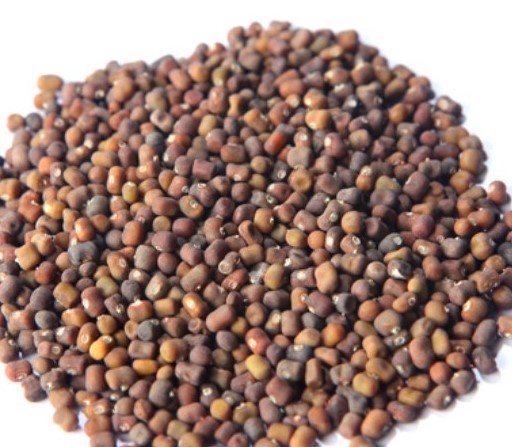
We are an experienced seed exporting company dedicated to meeting your agricultural needs. We ensure the timely supply of high-quality cover crop seeds of all varieties, suitable for Rubber, Tea, Oil Palm, and Forest plantations. We also offer Green Manure Seeds and Forest Planting Seeds at a reasonable price.
Pueraria Phaseoloides (Javanica), Mucuna Bracteta, Mucuna Prurience (Naykkurnam, Shorivalli, Shoriyanam) Centrosema (Kattupayar), Mimosa Invesya (Thottavadi), Calopogonium (Manjapayar), Casia Alatta (Ponnan Thakara), Grevelia Robusta (Silver ock), Albizzia Mulucana, Swietinia Macrophylla (Mahagani), Acrocarpus Fraxinifolius (Korangatti), Tectona Grandis (Teak), Hevea Brasiliensis (Rubber Seeds).
We keep our mission statement simple: Quality Products, Competitive Pricing, and Exceptional Service.
Please feel free to contact us. We will be happy to provide you with a quote for any available Indian seeds. If you have any questions or comments, you may click on the email link below.
Email seeds.india@hotmail.com
Discover our range of cover crop, green manure, and forest planting seeds, including Pueraria Phaseoloides, Mucuna Bracteta, and Tectona Grandis. These nitrogen-fixing, soil-enriching plants suppress weeds, prevent erosion, and enhance biodiversity. Perfect for sustainable agriculture, they promote healthy soils, support beneficial insects, and help create thriving ecosystems for orchards, gardens, and forests.
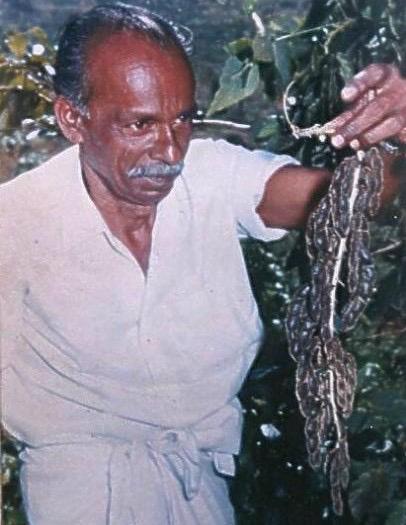
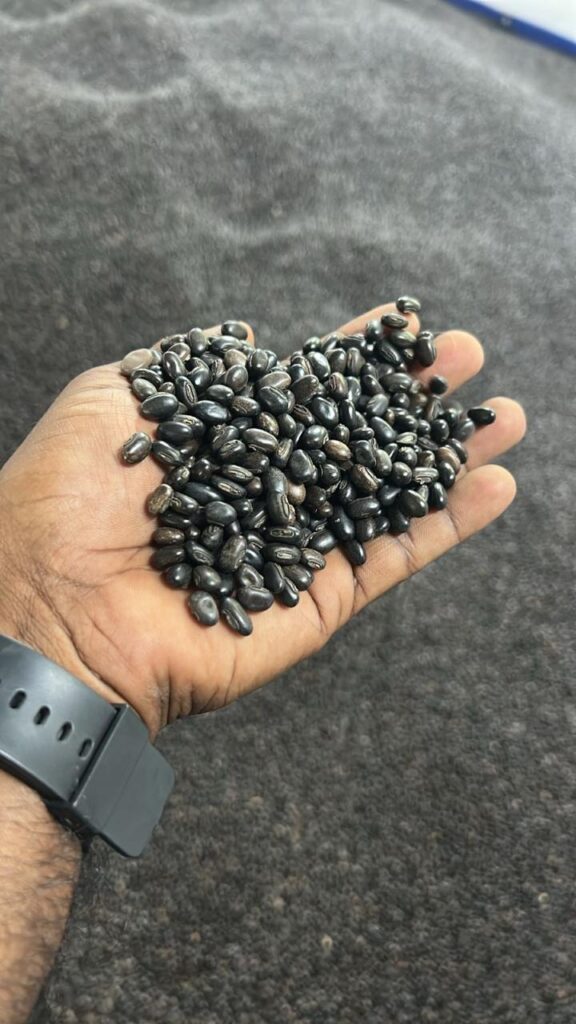
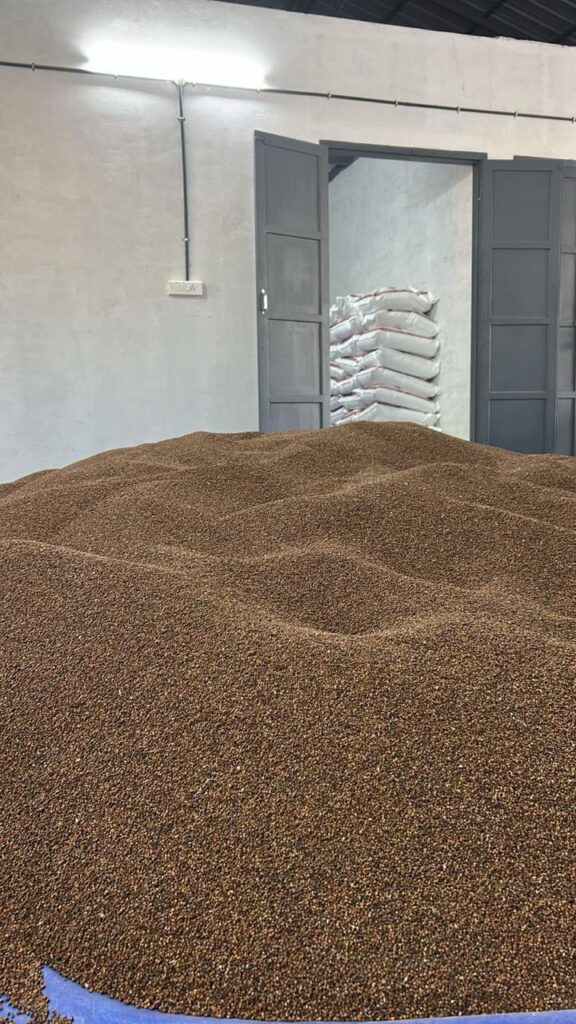
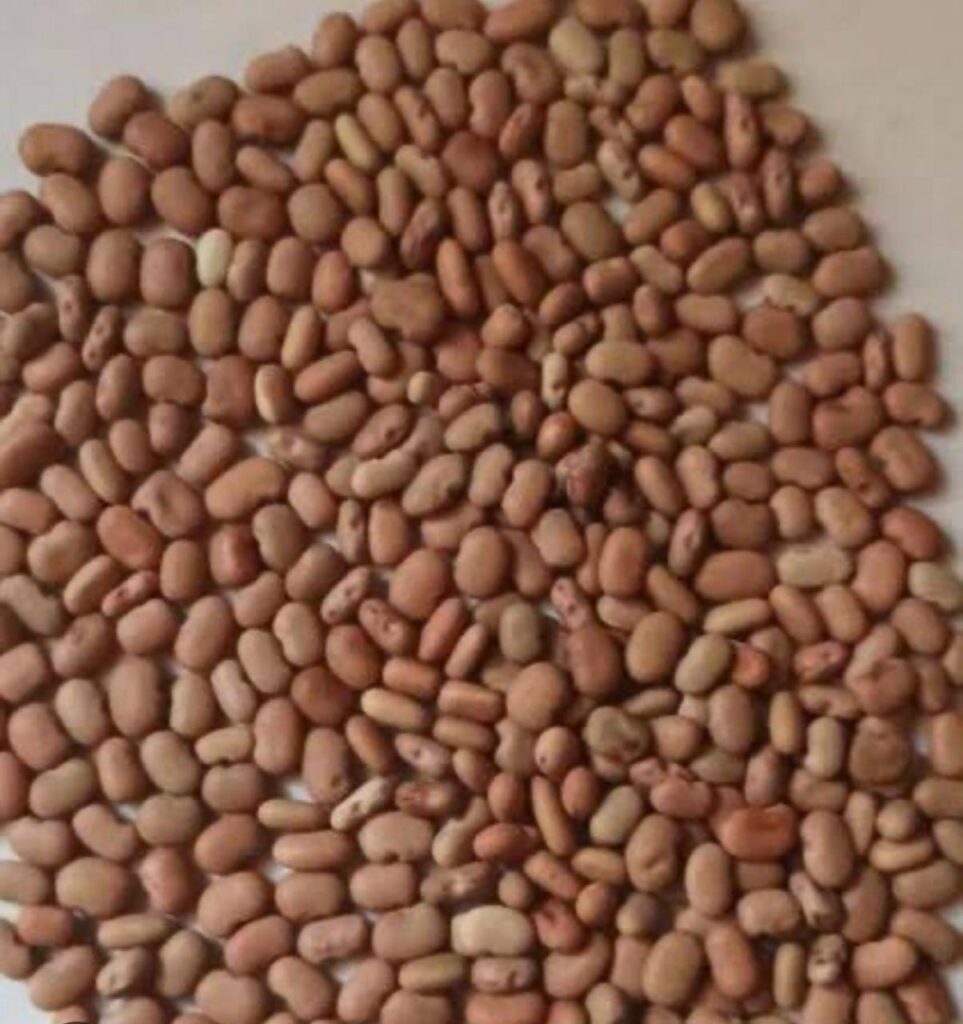
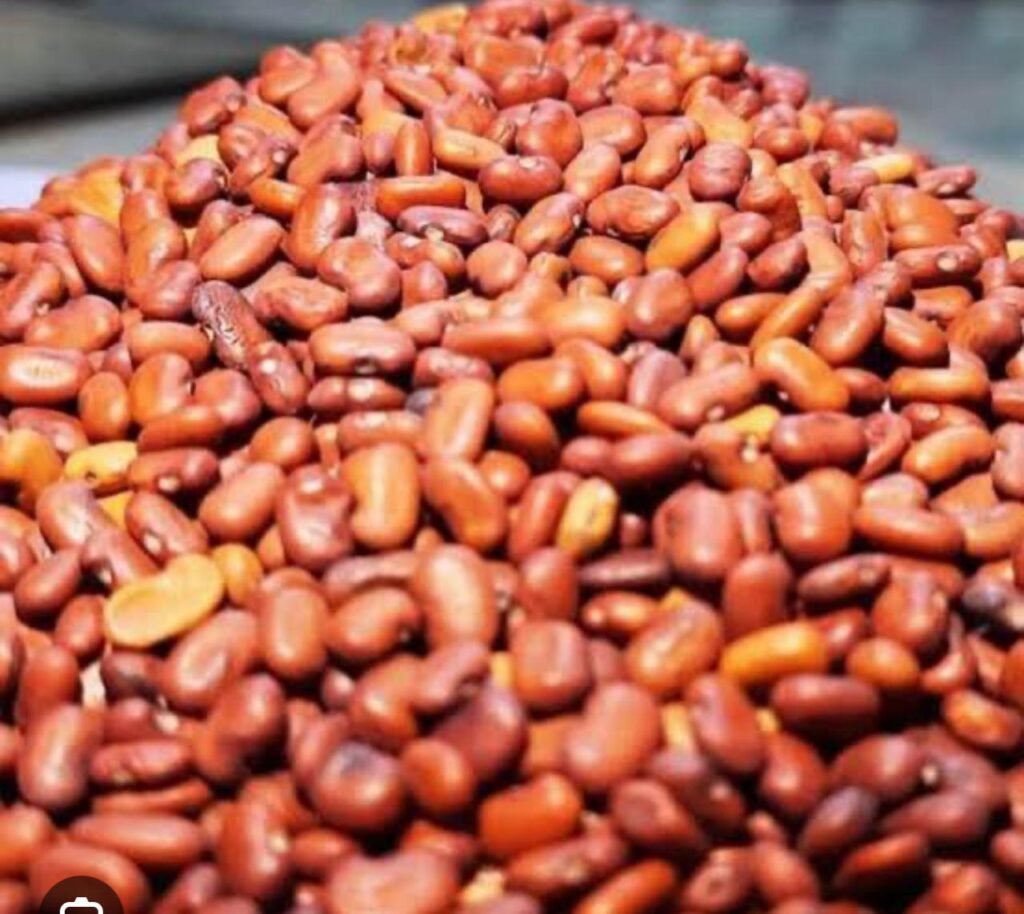
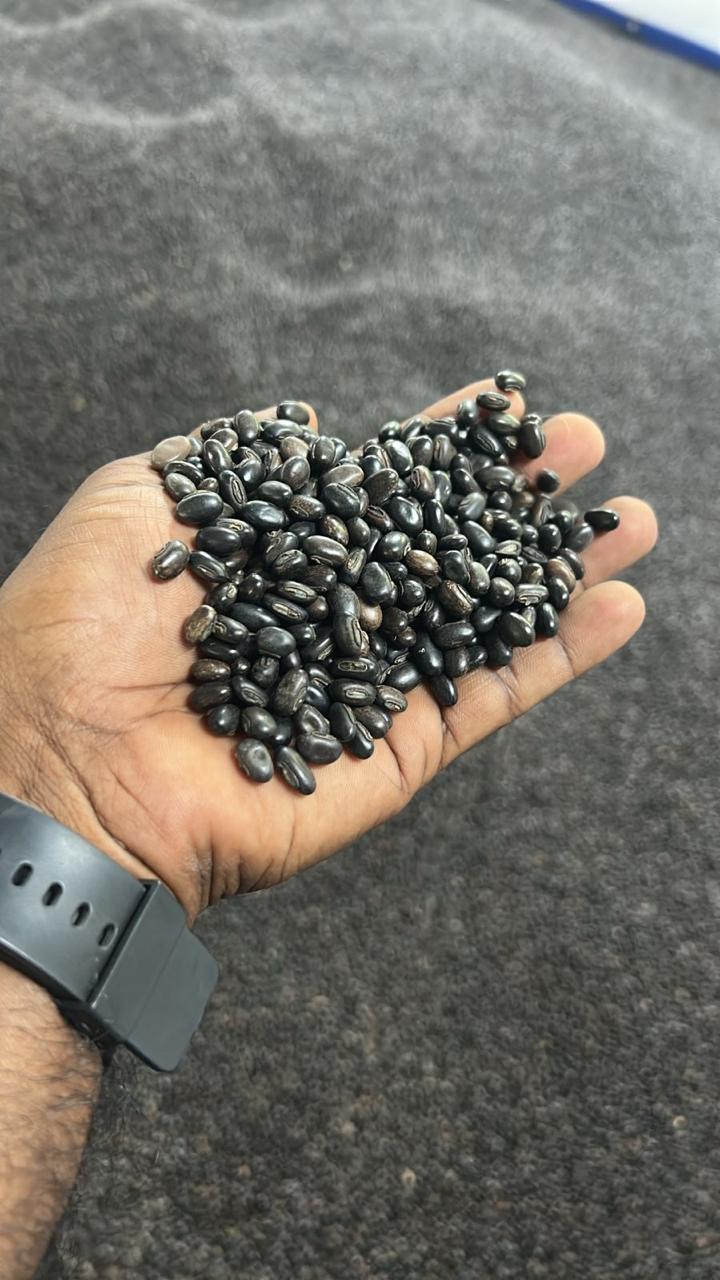
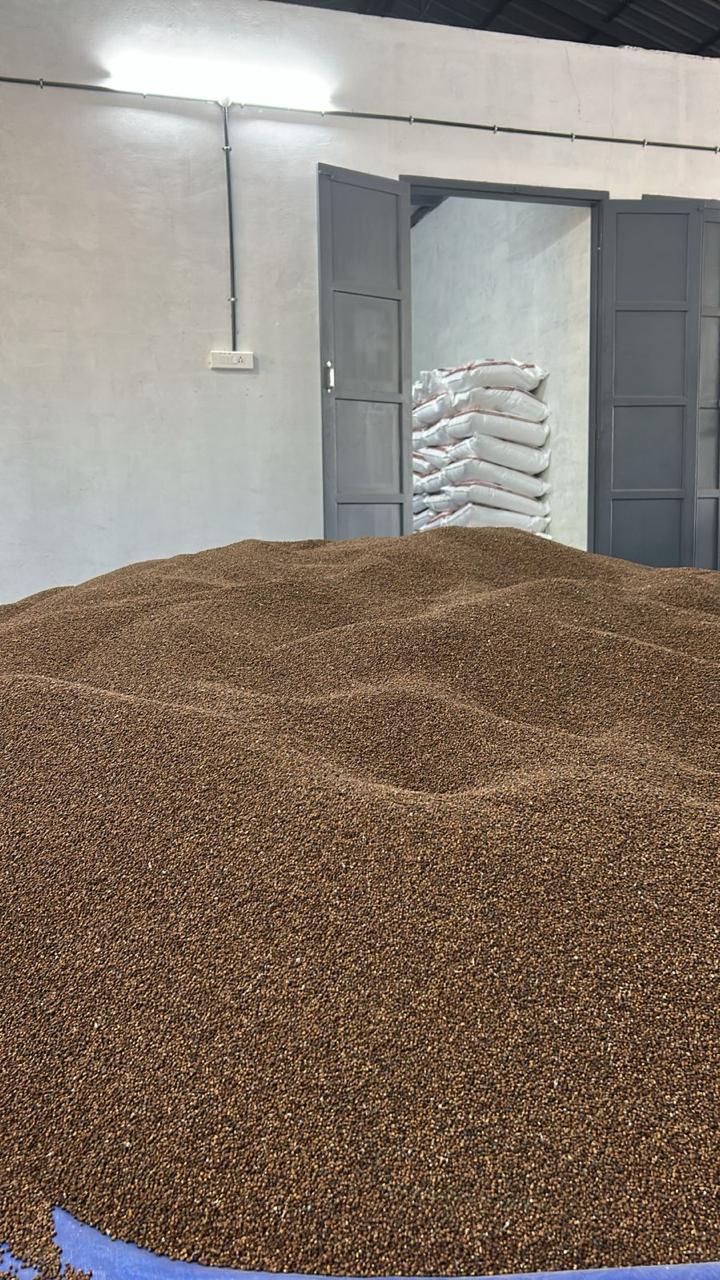
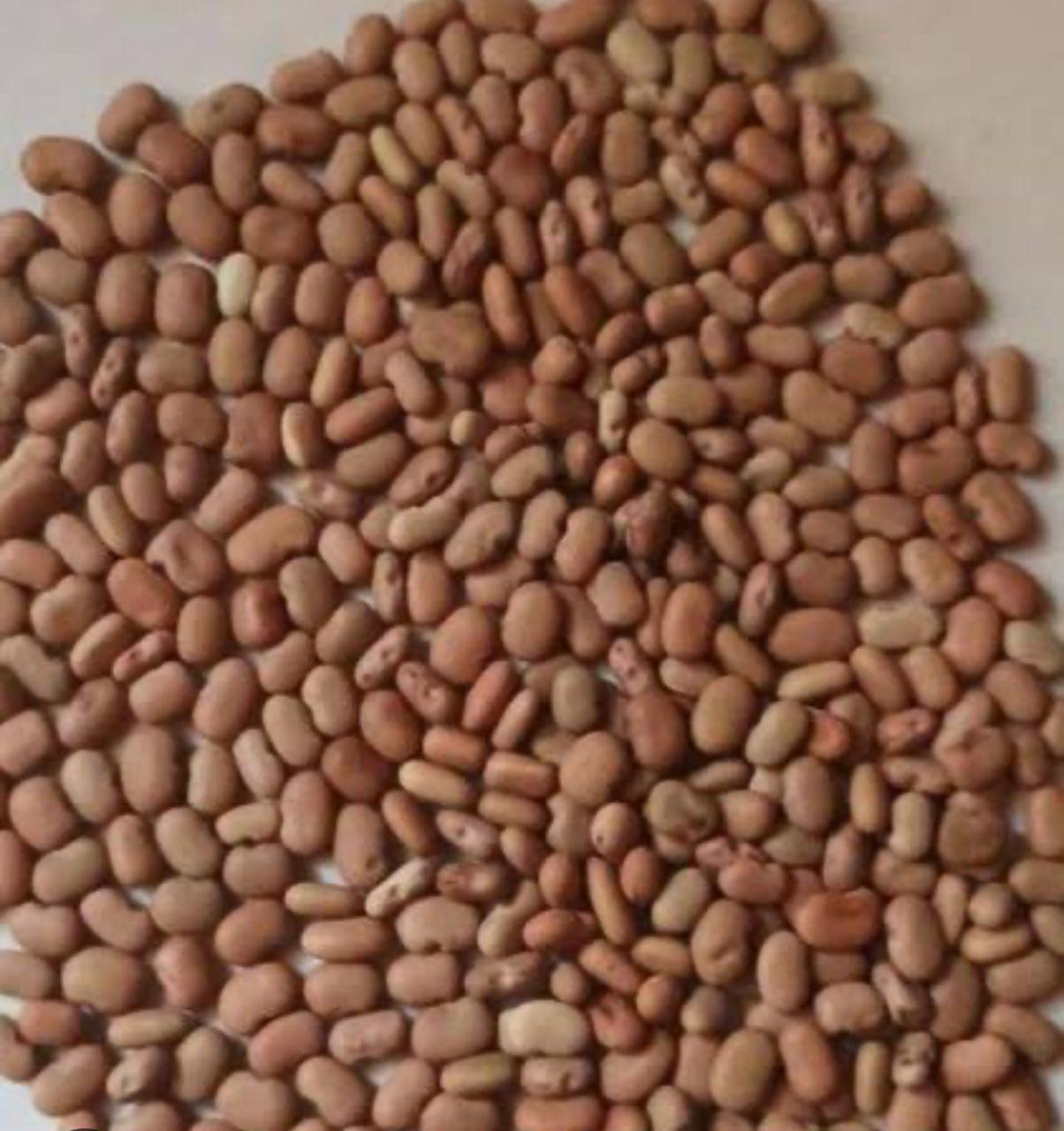
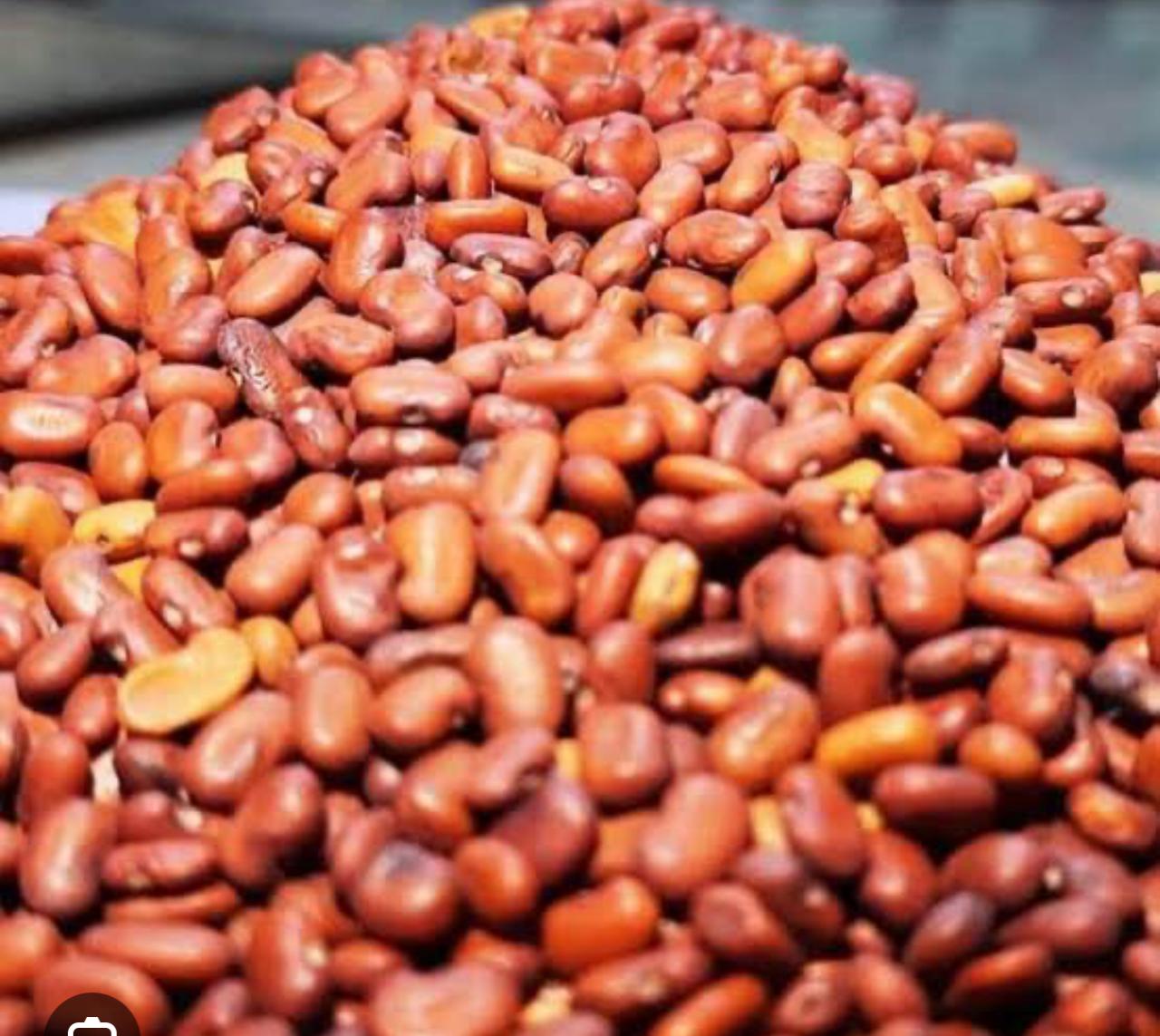
Image Shown: Mucuna Bracteata Seeds
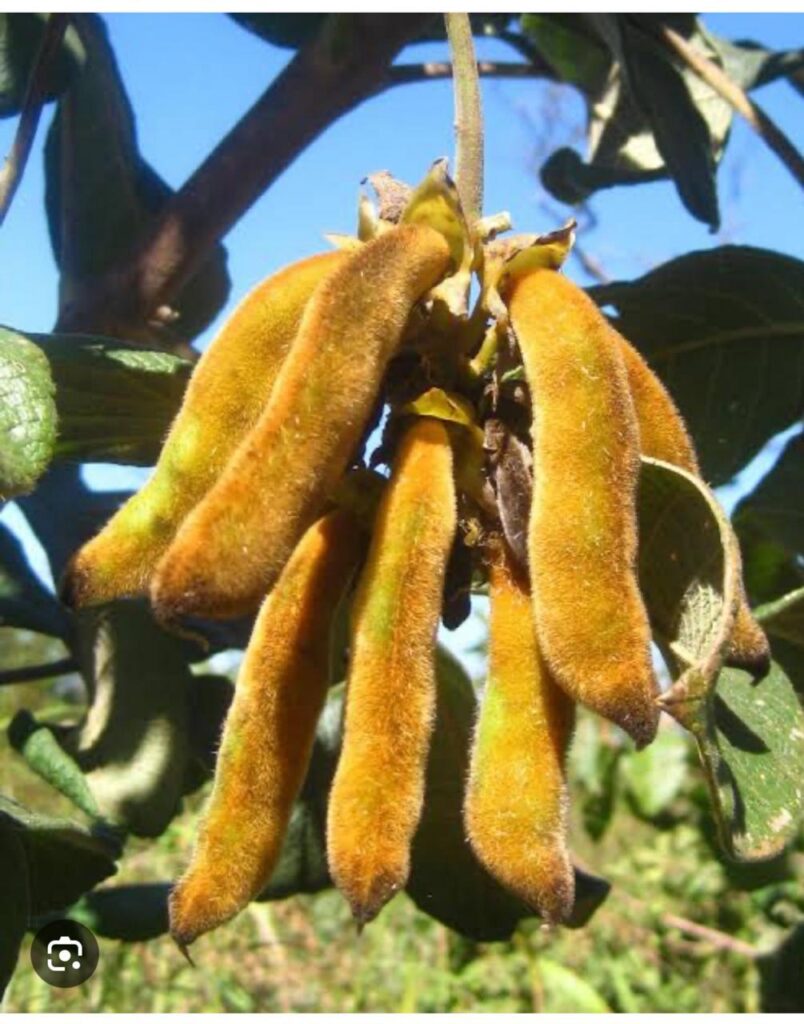
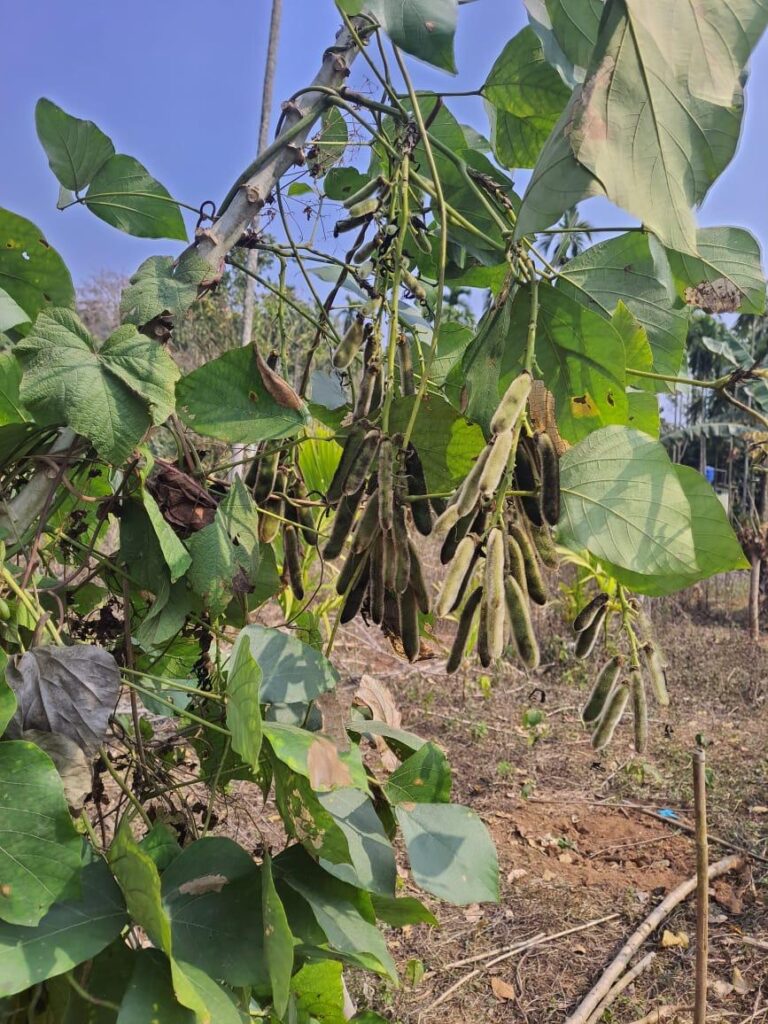
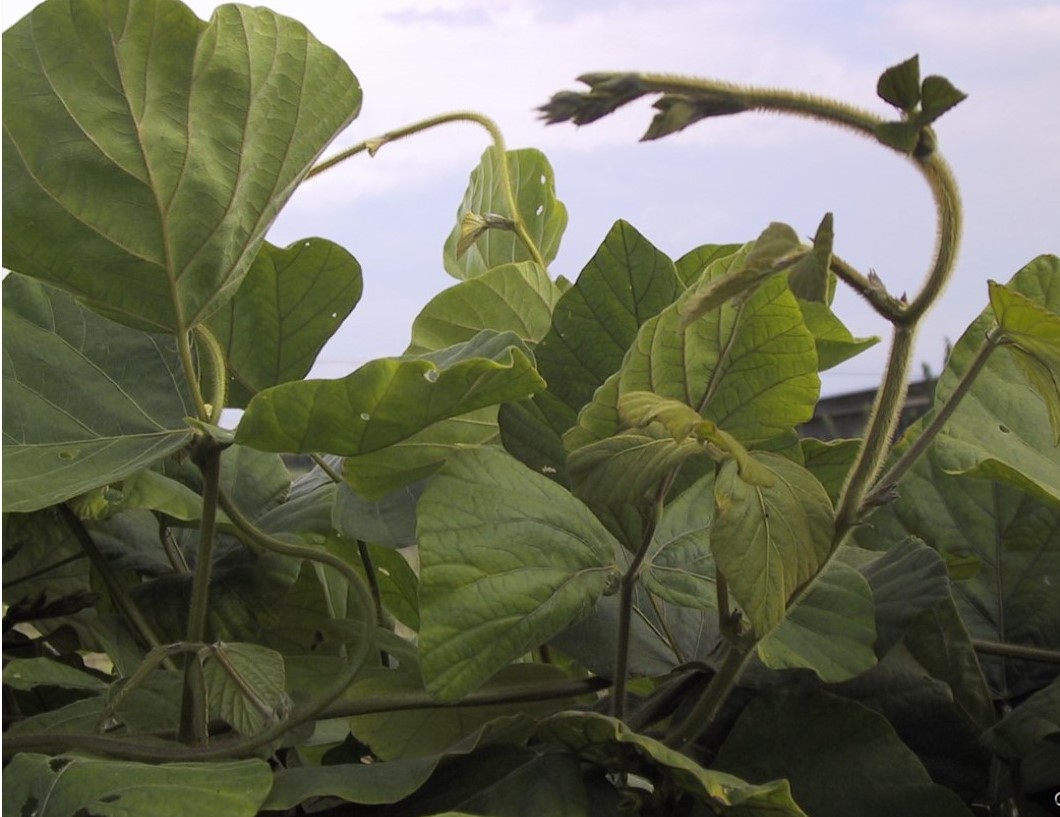
Mucuna bracteata
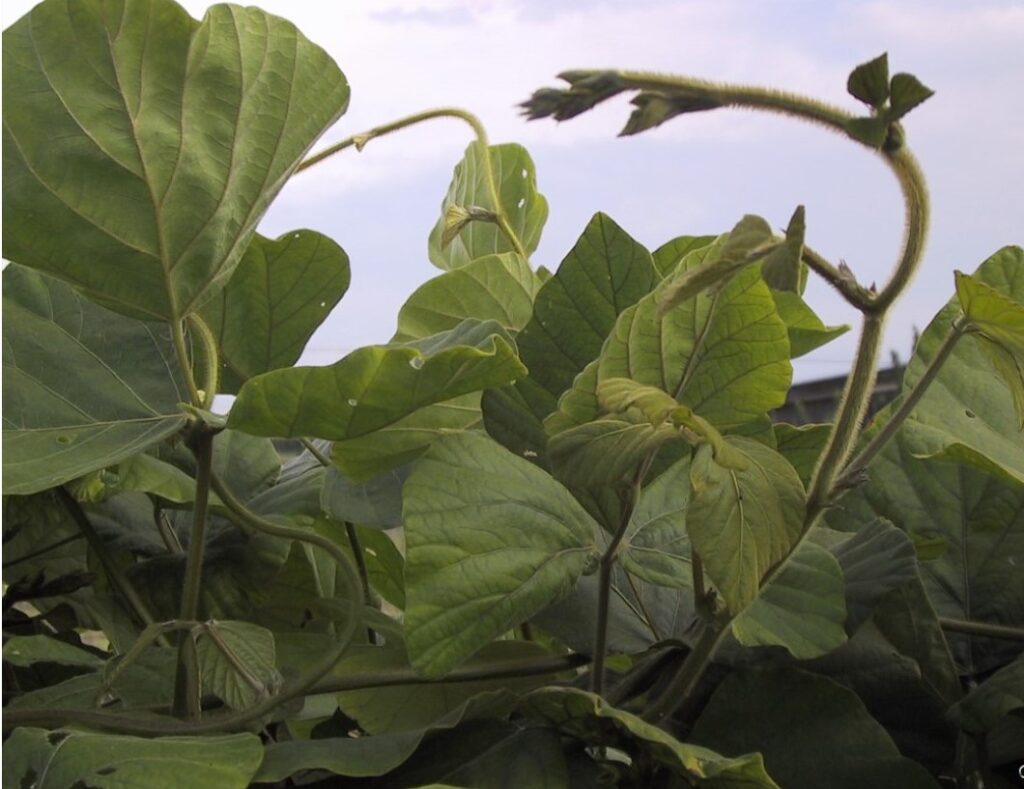
Mucuna bracteata is a deep-rooted, fast-growing legume with moderate drought resistance and good shade tolerance. It forms a thick, luxuriant ground cover that effectively suppresses all weeds. The dried leaves create a thick mulch and are less palatable to cattle.
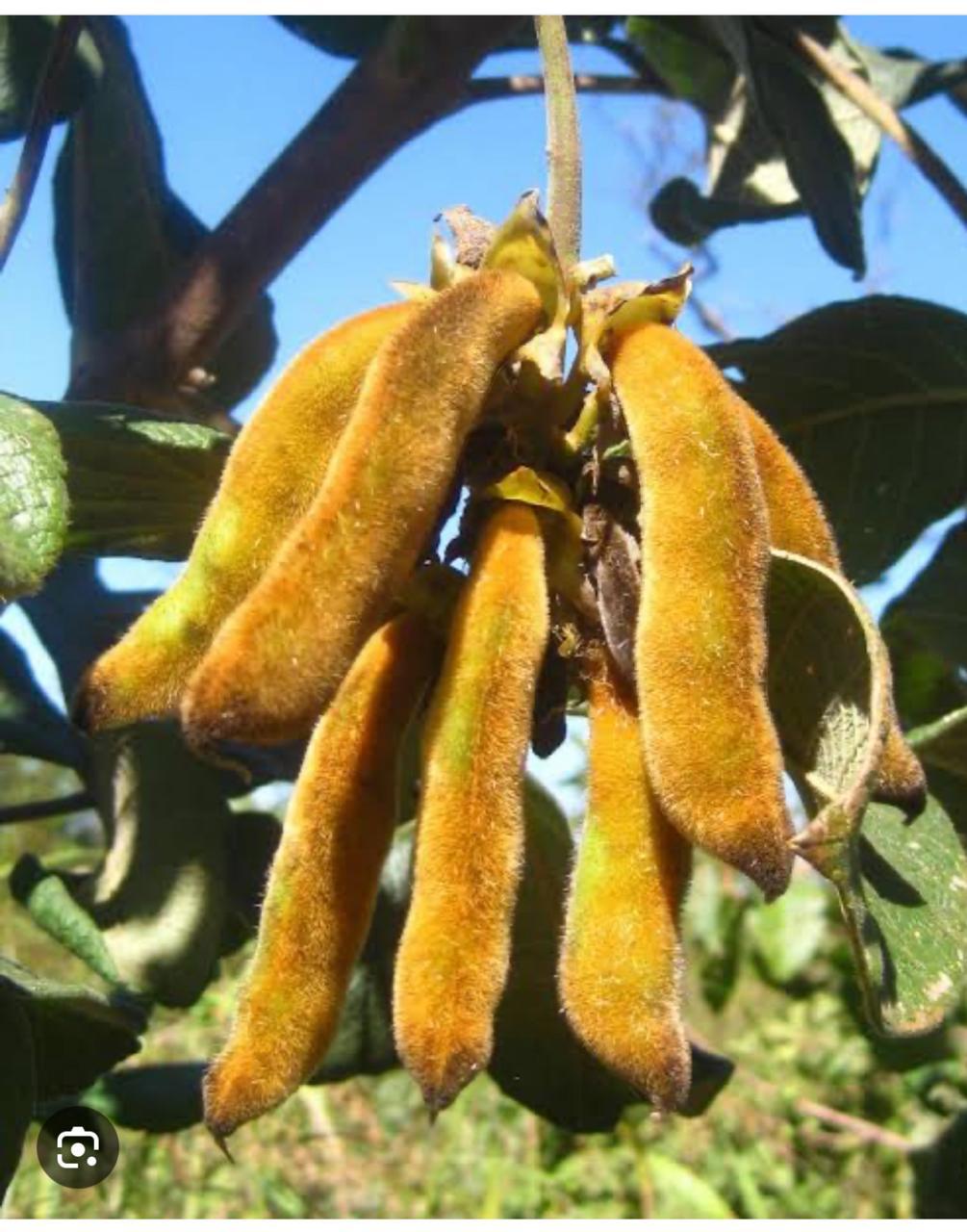
Propagation is done through seeds and rooted cuttings. The seeds are comparatively large, and the recommended seed rate is 200g/ha. The fruits are covered with stinging hairs. However, the plant does not bear fruit in low-elevation areas.
For details please click below mentioned link.
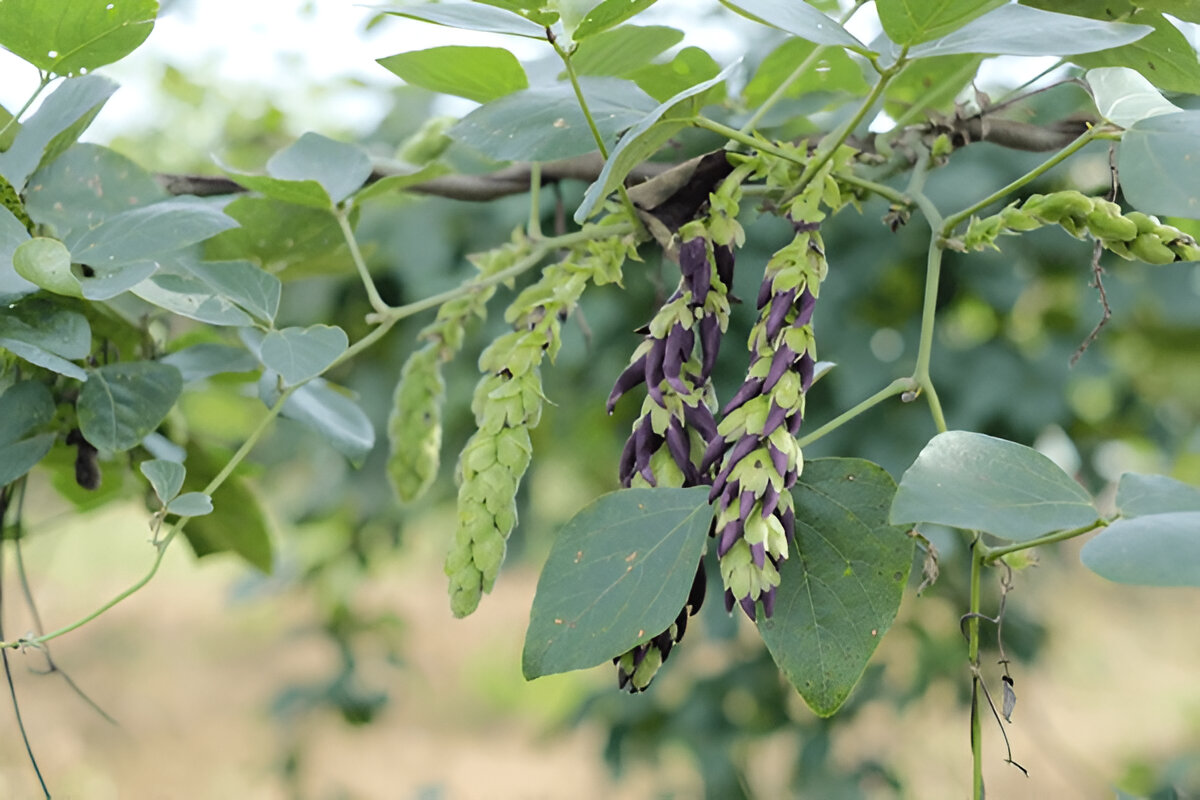
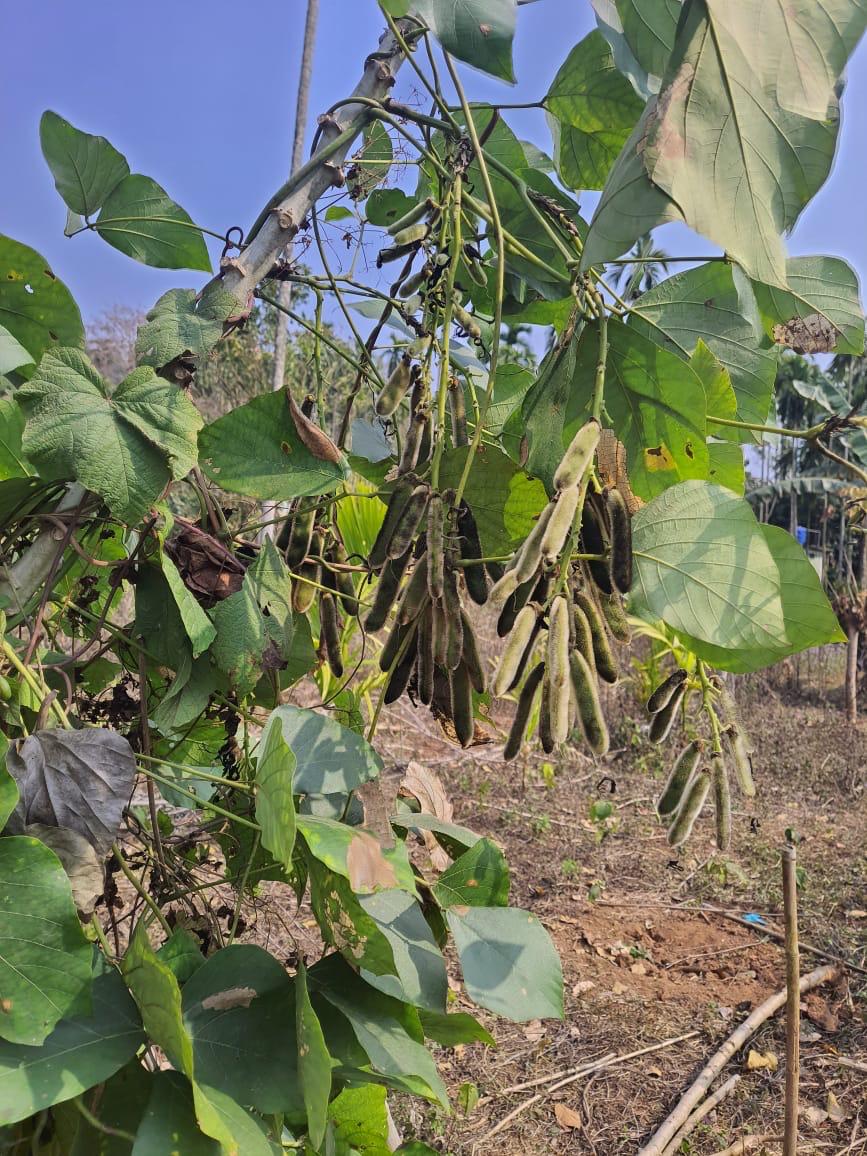
Image Shown: Mucuna Bracteata
Cover crops provide a living carpet of perennial plants for orchards. A living mulch of low-growing legumes offers many advantages, especially compared to grass, which aggressively competes with your fruit trees for water and nutrients. Cover crops can:
Plant species should be selected for suitability to climate, ease of establishment, perennial habit, nitrogen-fixing capacity and shade tolerance. Avoid climbing legumes such as Lablab. Aim for a flowering meadow in your orchard rather than sterile, bare earth or a grass ground cover.
Pueraria Phaseoloides (Javanica), Mucuna Bracteta, Centrosema (Kattupayar), Mimosa Invesya (Thottavadi), Calopogonium (Manjapayar).
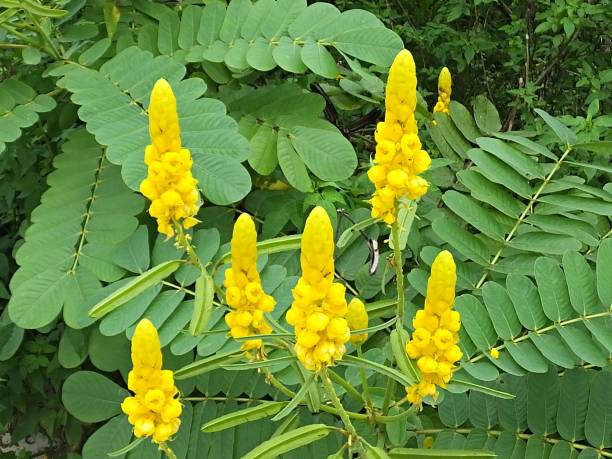
Image Shown: Casia Alatta
Casia Alatta (Ponnan Thakara).
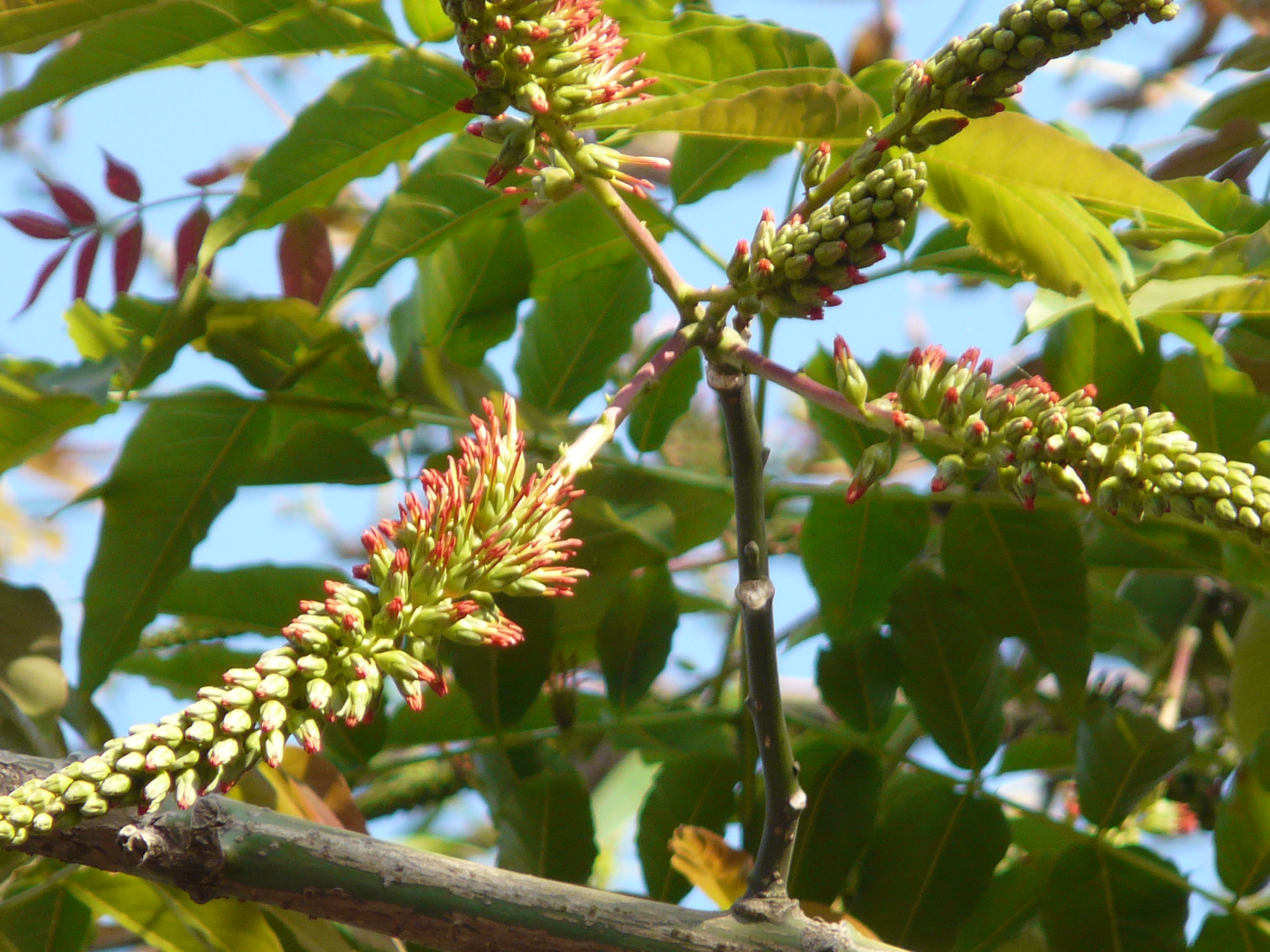
Image Shown: Acrocarpus Fraxinifolius
Our premium selection of forest planting seeds — including Grevillea robusta (Silver Oak), Swietenia macrophylla (Mahogany), Tectona grandis (Teak), Albizia moluccana, Acrocarpus fraxinifolius (Korangatti), and Hevea brasiliensis (Rubber Seeds) — is designed to support robust reforestation and sustainable land management.
These carefully selected species enhance biodiversity, stabilize soil, and provide valuable timber and economic resources. Ideal for both large-scale forestry projects and small-scale agroforestry, our seeds foster resilient ecosystems, improve soil health, and contribute to long-term environmental and economic benefits.
Enhances Biodiversity: Supports diverse plant and animal life, creating balanced ecosystems.
Prevents Soil Erosion: Deep root systems stabilize soil, protecting against wind and water erosion.
Provides Valuable Timber: Yields high-quality timber from species like Teak and Mahogany for economic returns.
Improves Soil Health: Increases organic matter and nutrient availability for sustainable land use.
Contributes to Carbon Sequestration: Helps mitigate climate change by absorbing carbon dioxide.
Supports Agroforestry: Integrates with agricultural systems for diversified land use and income.
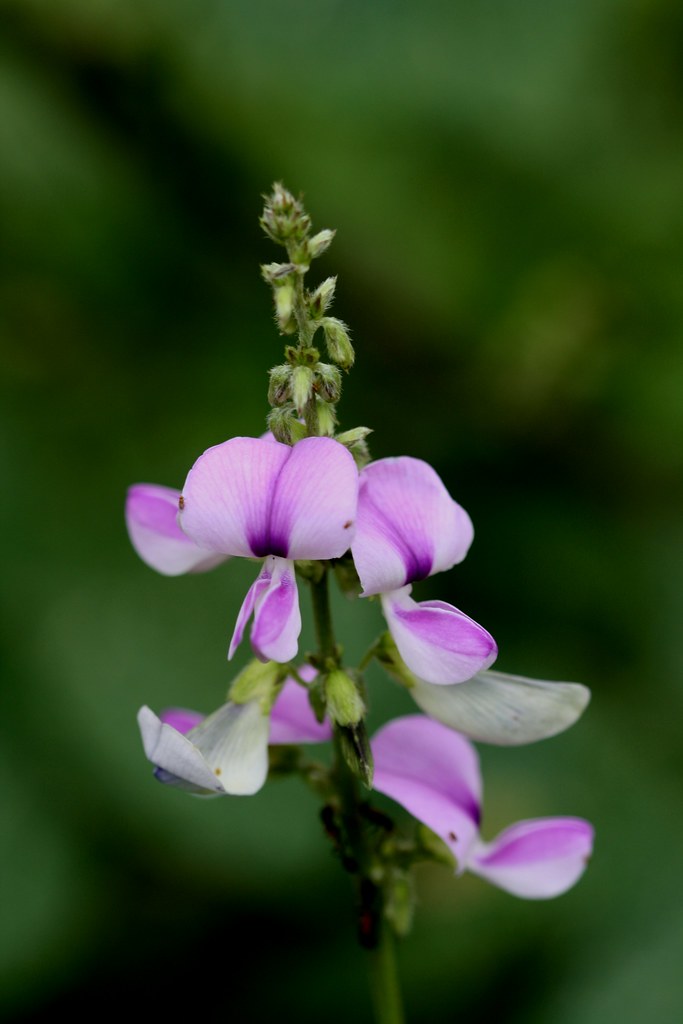
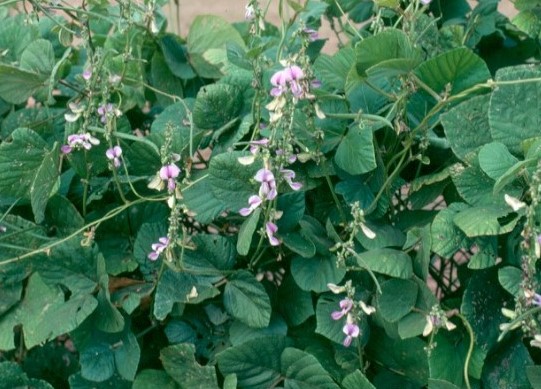
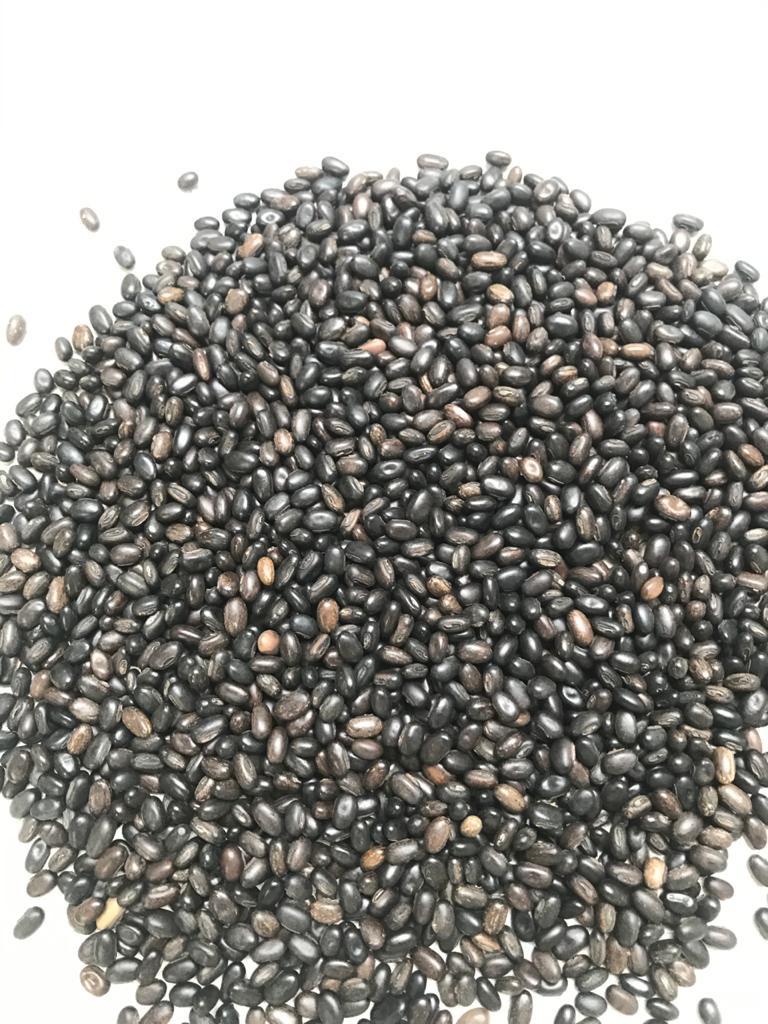
Image Shown: Pueraria Phaseoloides (Javanica)
ENGLISH: Kudzu, Tropical kudzu , kudzu vine, AUST: Puero.
CHINES: San lie ye ye ge.FRENCH: Kudzu tropical.
MALAY: Kudzu tropika. INDONESIA: Karandang.
TAGALOG: Singkamasaso.JAVANESE: Krandang
NEPALESE: Bidaarrii laharo.HINDI: Kuduzu ghans.
Malayalam (Regional language): Thottapayar.
Origin: Pueraria phaseoloides is native to Malaysia, although it is widely distributed throughout the world in the wet tropics.
Uses: Pueraria phaseoloides is commonly used as a nitrogen-fixing green manure or as a cover crop in coffee, oil palm, citrus, and rubber plantations. Its leaves and stems, rich in protein (approximately 19%), are highly palatable to livestock and widely used as animal fodder. It can also serve as a pasture crop when grown alongside suitable grasses, such as Guinea grass (Panicum maximum). The plant’s deep and extensive root system provides edible tubers and helps reduce soil erosion. Its rapid growth suppresses weeds and protects soil from rapid water runoff. Additionally, the stem contains exceptionally strong fibers used in rope-making. Pueraria phaseoloides is also reported to act as a trap crop for Striga gesnerioides, stimulating high germination of the parasite without serving as a host.
Cultivation: Pueraria phaseoloides is an exceptionally vigorous legume with runners reaching up to 25 feet (8–9 meters) in length. It can be propagated by seed or cuttings, but seeds require scarification in hot water before planting. Seedlings grow relatively slowly (though faster than other cover crops) for the first three to four months. Once established, growth becomes highly vigorous. Full establishment as a ground cover typically requires several years of growth. Pueraria phaseoloides is best adapted to hot and wet conditions, thriving in areas with annual rainfall exceeding 1,525 mm (60 inches). It tolerates high soil water content, including occasional waterlogging, and also performs well during the dry season, producing abundant pods and flowers. Additionally, it is tolerant of acidic soils and shade.
Harvesting and Seed Production: Although Pueraria phaseoloides is slow to establish, it can be cut repeatedly once established. It grows so vigorously that it may need to be grazed or otherwise managed to prevent it from becoming a pest. Typically, it is grazed on-site in mixed pastures, but it can also be cut for hay, silage, or fresh stall forage.
Pests and Diseases: Pueraria phaseoloides is remarkably resistant to diseases and pests. However, leaf-eating caterpillars may damage ungrazed sections, and pod borers can reduce seed production.
Human Consumption: The leaves and stems of Pueraria phaseoloides are generally not used for human consumption. However, in some countries, the plant is used in traditional medicine to treat boils and ulcers. The tuberous roots are edible.
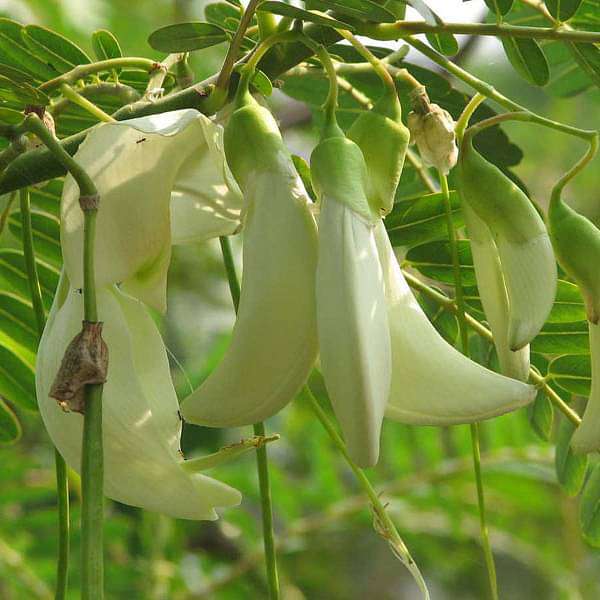
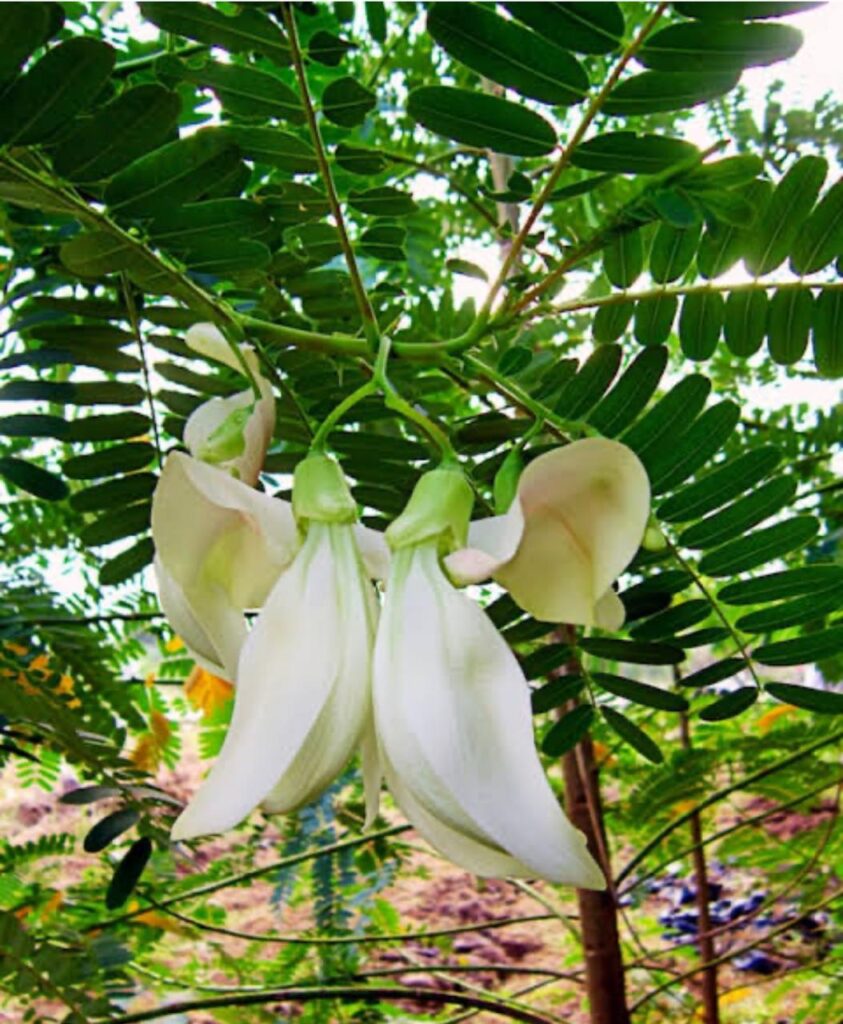
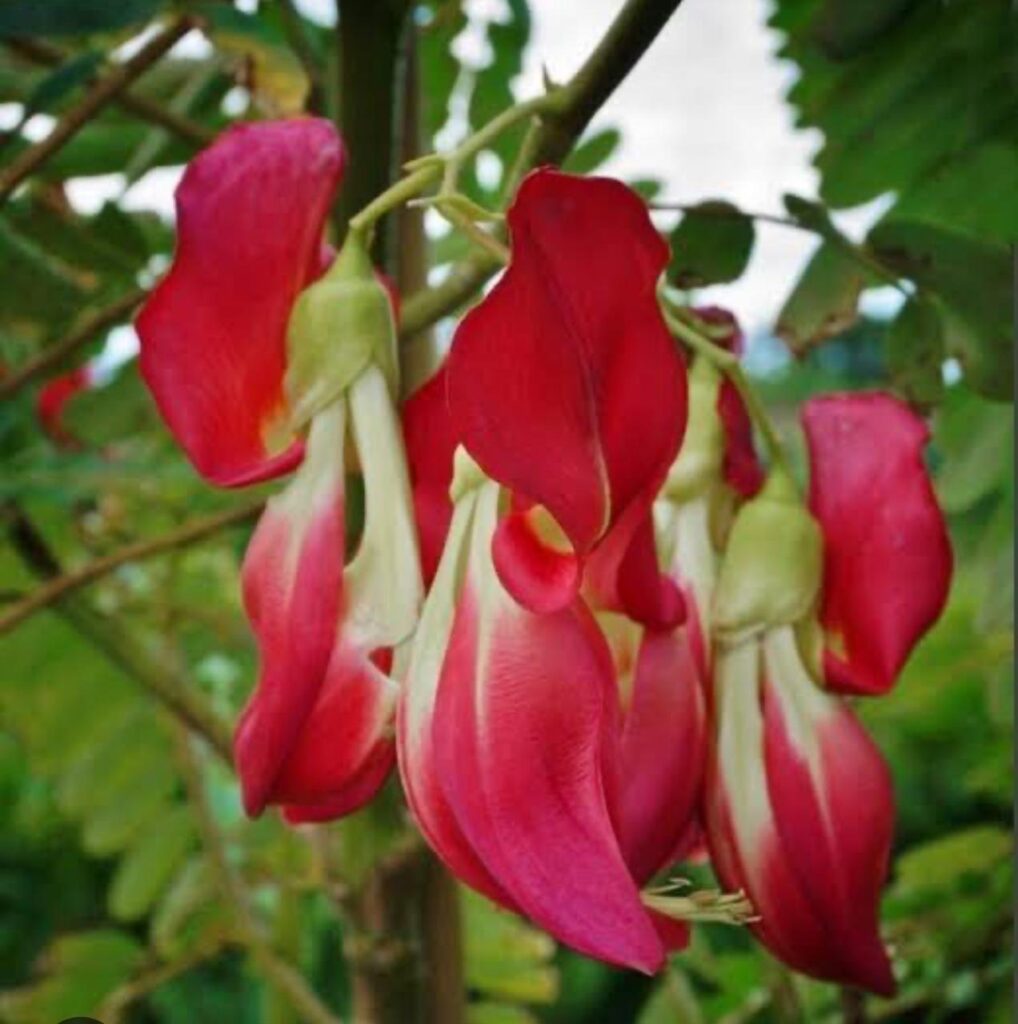
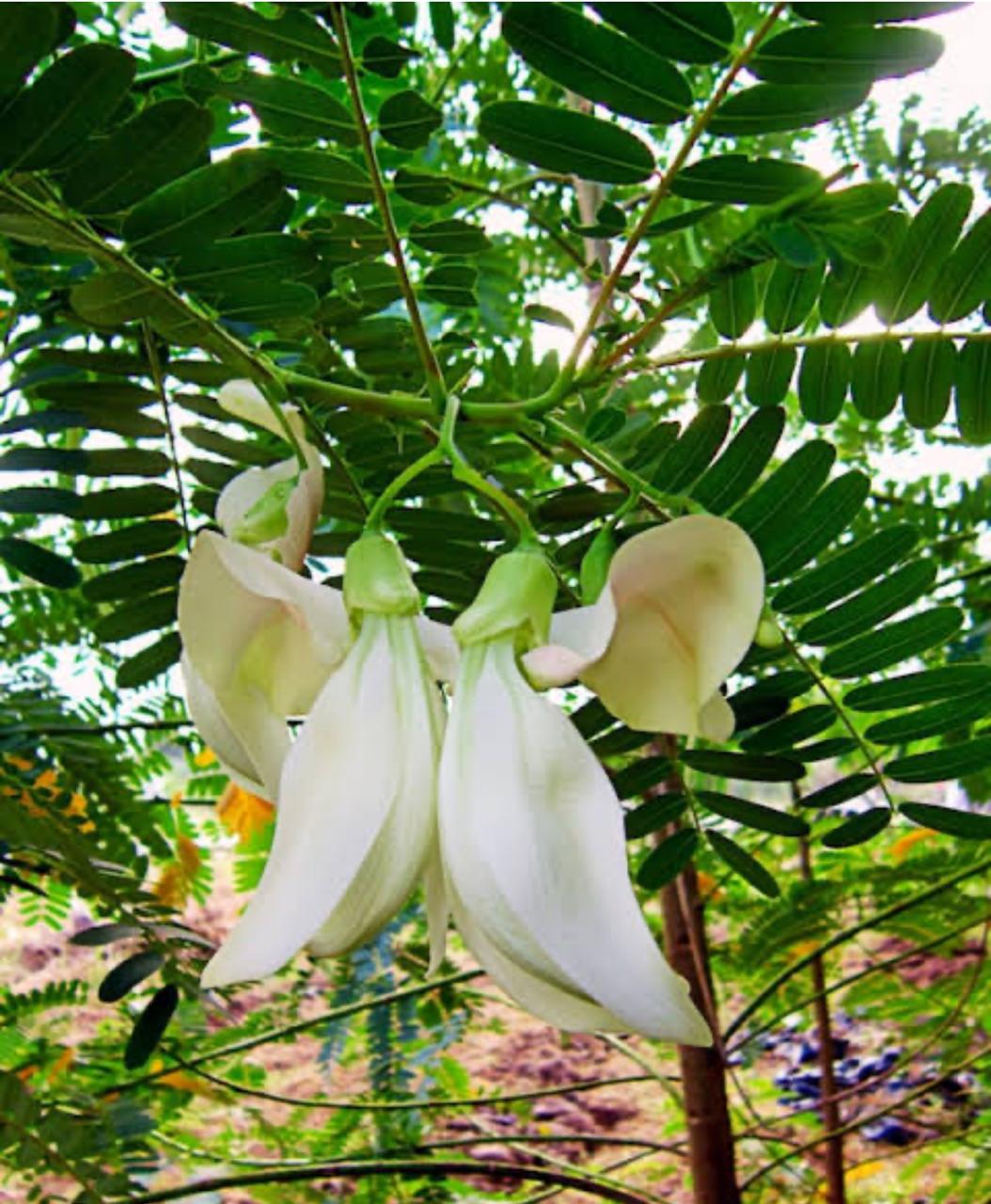
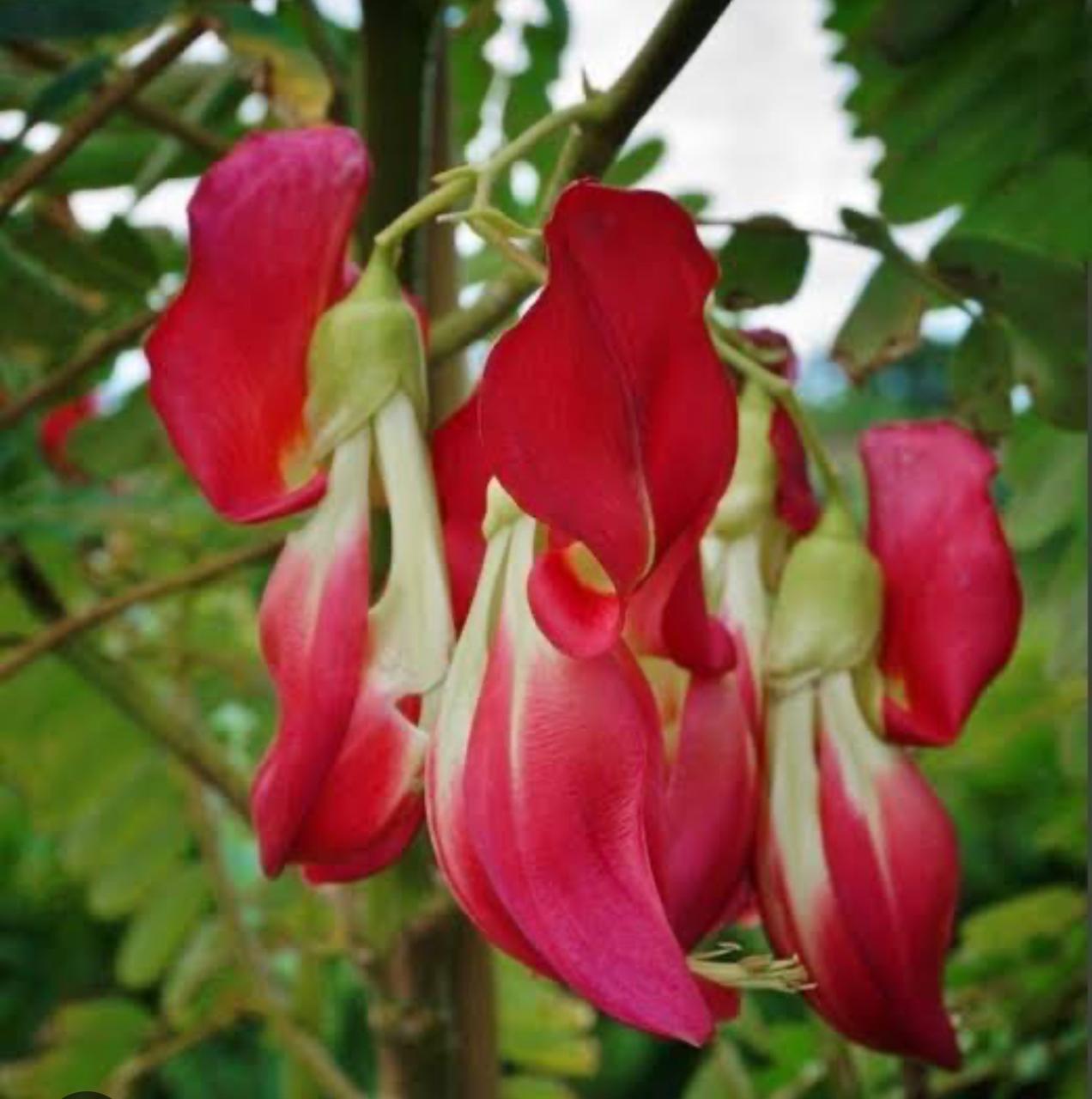
Image Shown: Sesbania grandiflora
Contact us for a quote on available Indian seeds.
Business Address
Anchuthengil Agri Supply,
Mundakayam (East ) P.O,
Idukki District,
Pin:686513
Kerala,
India.